How Restaurants Can Get More Private Event Bookings in 2025
A practical guide for restaurant owners looking to fill their private dining rooms and boost revenue through strategic private event marketing, better operations, and modern booking tools.
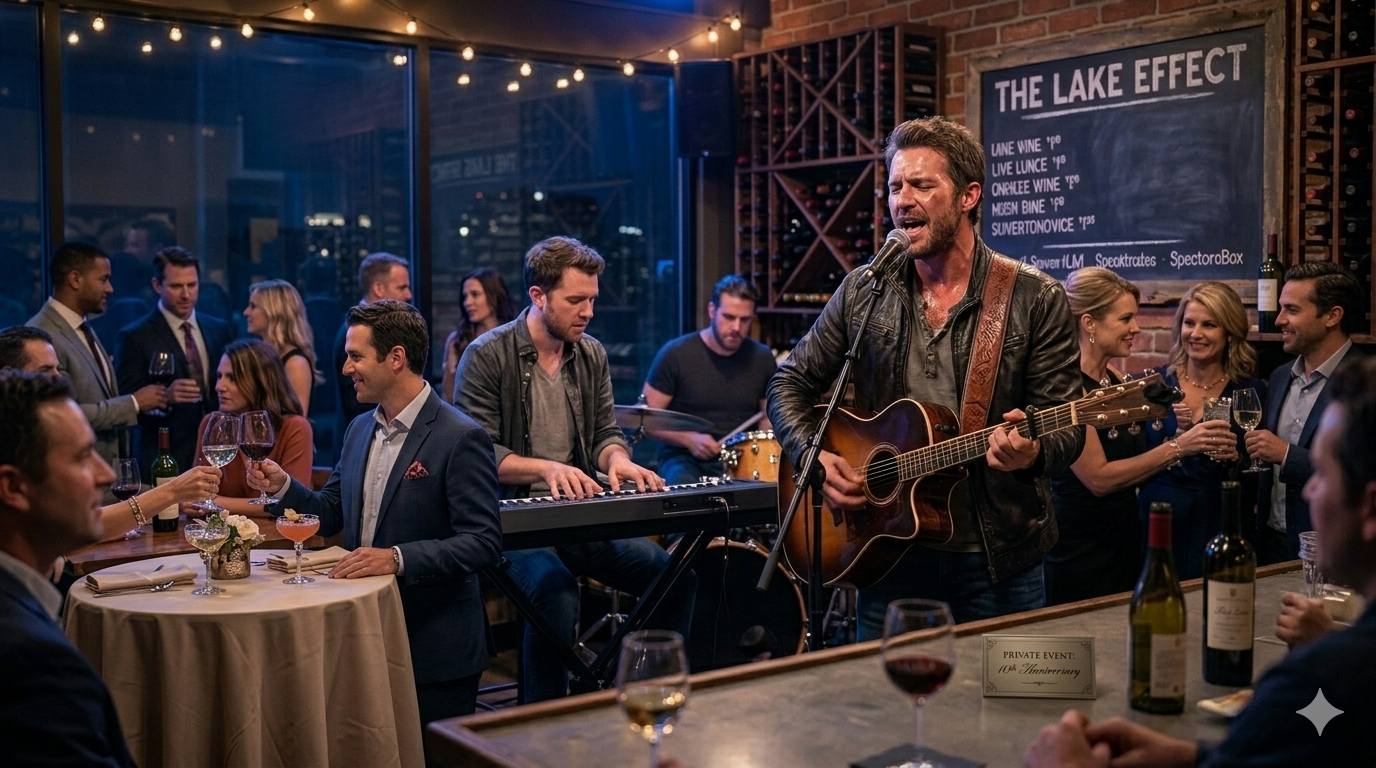
How Restaurants Can Get More Private Event Bookings in 2025
TL;DR: Private events can deliver 30-40% higher profit margins than regular service, but most restaurants struggle with lead generation and operational complexity. This guide covers proven tactics to increase bookings: optimizing your space, fixing your inquiry-to-booking conversion, listing on marketplace platforms, and using AI tools to automate the heavy lifting.
The best approach combines three elements: making your space discoverable where event planners actually search, responding to inquiries within minutes (not hours), and streamlining the proposal-to-contract workflow so you can handle more events without hiring additional staff.
Quick Verdict: Where to Focus Your Effort
If you're getting fewer than 5 inquiries per month, your primary problem is discovery. Focus on marketplace listings, local SEO, and getting found where planners search.
If you're getting inquiries but losing 60%+ before booking, you have a conversion problem. Focus on response speed, professional proposals, and removing friction from your booking process.
If you're turning down events because managing them is overwhelming, you have an operations problem. Focus on tools that automate BEOs, contracts, and payment collection.
Most restaurants need all three, but start with whichever gap is costing you the most revenue right now.
The Private Events Opportunity (And Why Most Restaurants Leave Money on the Table)
Private events represent one of the highest-margin revenue streams available to restaurants. You're filling seats during typically slow periods, charging minimum spend requirements that guarantee revenue, and reducing labor complexity since you're serving a set menu to a captive audience.
Yet industry data shows that 65% of restaurants with private dining spaces report those spaces sit empty more than half the time. The problem isn't demand. Corporate events, birthday parties, rehearsal dinners, and celebration meals are happening every day in every city.
The problem is that most restaurants treat private events as a side hustle rather than a deliberate revenue channel. Inquiries go to a general info@ email that someone checks twice a day. Proposals are created from scratch in Word documents. Menu details live in the manager's head. There's no systematic process for following up with warm leads.
This guide will show you how to fix each of these problems with specific, actionable tactics you can implement this month.
Strategy 1: Optimize Your Physical Space for Events
Before you spend a dollar on marketing, make sure your space is actually set up to win private event bookings. Event planners have specific requirements, and meeting them is table stakes.
Create clear capacity guidelines. You need definitive answers for: seated capacity, standing reception capacity, maximum with dance floor, AV capabilities, and whether you can accommodate a DJ or live music. Document these details with photos from multiple angles. Event planners will immediately move on if they have to guess whether your space works.
Invest in flexible furniture. Round tables that seat 8-10 people are the gold standard for most events. If you're stuck with long communal tables or booth seating, you're limiting your bookable event types. Movable furniture and modular layouts let you serve both 15-person business dinners and 80-person cocktail receptions.
Add privacy without construction. If you don't have a truly private room, floor-to-ceiling curtains, decorative screens, or even strategic plant arrangements can create the feeling of separation. Event hosts don't want their guests staring at random Tuesday night diners, and regular diners don't want to feel like they're crashing someone's party.
Document your tech capabilities. Built-in projector and screen, Bluetooth sound system, podium availability, WiFi capacity for 50+ people, accessible outlets for laptops — these details matter for corporate events, and planners need to know before they visit.
The goal is to make your space as flexible and well-documented as possible. Event planners are evaluating 5-10 venues for every event they book. Clear, specific details help them say yes faster.
Strategy 2: Get Found Where Event Planners Actually Search
Most restaurants rely on word-of-mouth and hope people find their private events page buried three clicks deep on their website. That's leaving 90% of potential revenue on the table.
List on modern marketplace platforms. Venue Connect and similar marketplaces are where event planners start their search in 2025. These platforms combine venue discovery with the full booking workflow, meaning planners can search, compare, and book without jumping between 10 different websites. For hosts, marketplace listings provide qualified leads from people who are ready to book, not just browsing.
Venue Connect specifically uses AI-powered natural language search, so when someone types "modern restaurant private dining room for 25 people in Chicago with audiovisual," your venue appears if it matches. You're not competing for generic SEO ranking; you're matching specific event requirements.
Claim your Google Business Profile. Add "Private Events" and "Event Space Rental" to your business categories. Upload photos specifically of your private space set up for events, not just your dining room. Add "private event venue" to your business description. Respond to reviews that mention private parties. Google's local pack results drive significant discovery for "private event venue near me" searches.
Build a dedicated private events landing page. Not a PDF menu, not a contact form — a real page with photos, capacity details, sample menus, pricing guidance (even if it's ranges), testimonials from past events, and a prominent inquiry form. This page should rank for "[your restaurant name] private events" and provide everything a planner needs to decide if you're worth contacting.
Partner with local event planners. Corporate event planners, wedding coordinators, and party planners book 3-10 events per month. Building relationships with even 5-6 active planners in your market can generate consistent bookings. Offer them a hosted site visit, a commission structure if appropriate, or simply be the easiest venue to work with. Planners remember restaurants that respond quickly and make their job easier.
Discovery is the foundation of everything else. You can't convert inquiries you never receive.
Strategy 3: Respond to Inquiries Within 30 Minutes
Speed-to-response is the single biggest predictor of whether an inquiry becomes a booking. Industry benchmarks show that responding within 5 minutes increases conversion rates by 400% compared to responding after 24 hours.
Most event planners contact 3-5 venues for any given event. The first venue to respond with a complete, professional answer wins the booking more than 60% of the time, assuming the space and pricing work. Yet most restaurants take 8-24 hours to respond to event inquiries, if they respond at all.
Set up inquiry notifications. Route private event form submissions to a dedicated phone number via SMS, not just email. The person managing events should get an immediate alert when someone inquires. If that's not possible, check inquiries at minimum three times per day: morning, lunch, and evening.
Use templated responses. You don't need to reinvent the wheel for every inquiry. Create response templates for common event types (corporate dinner, birthday party, rehearsal dinner, cocktail reception). Include your capacity details, typical menu options, pricing structure, and next steps. Personalize the greeting and specific details, but save yourself 20 minutes of typing.
Move to real-time chat when possible. Email is slow. Platforms like Venue Connect include inquiry-to-chat workflows where the conversation moves to real-time messaging after the initial inquiry. This lets you answer follow-up questions immediately, share photos, and build rapport without the lag of email threads. Chat-based inquiry systems consistently show 2-3x higher conversion rates.
The goal is to make the planner feel like you're excited about their event and ready to make it easy. Slow responses signal that you're disorganized or don't need the business.
Strategy 4: Create Professional Proposals in Minutes, Not Hours
Once you've responded quickly, you need to send a complete proposal that answers all their questions and makes it easy to say yes. Most restaurants send an email with rough details and a "let me know if you want to move forward" closer. That's not a proposal; that's a conversation starter.
Build reusable proposal templates. Your proposal should include: event date and time, space and setup details, menu options with pricing, bar package options, service charge and tax breakdown, deposit and payment schedule, cancellation policy, and next steps. Tools like Venue Connect's BEO (Banquet Event Order) builder let you generate these in 5-10 minutes instead of starting from scratch in Google Docs.
Show, don't tell. Include photos of your space set up for similar events. If they're planning a 30-person seated dinner, show them what that looks like in your room. If they want cocktail-style, show that. Visuals help planners imagine their event and reduce the need for an in-person walkthrough before booking.
Make pricing crystal clear. Event planners hate hidden fees and surprise charges. Break down food minimums, beverage minimums, service charges, room rental fees (if any), and tax. Give them the total expected spend for their event size. Transparency builds trust and speeds decisions.
Include social proof. Add 2-3 short testimonials from past private events. "We hosted our company's holiday party here and the service was flawless" carries more weight than any claim you make about yourself.
The proposal should answer every obvious question so the planner can present it to their stakeholders without needing three rounds of follow-up emails.
Strategy 5: Automate Contracts and Payments
You've sent a great proposal and they want to book. Now what? Most restaurants email a PDF contract, wait for it to come back signed and scanned, then manually send a PayPal invoice for the deposit. Every manual step is an opportunity for the deal to stall or fall through.
Use digital contract signing. Contracts should be clickable, signable, and returnable in 60 seconds on a phone. Venue Connect, DocuSign, and similar tools eliminate the print-sign-scan workflow. You can also build in deposit collection at the same time someone signs the contract, reducing a three-day process to three minutes.
Collect deposits immediately. The longer you wait between "yes" and "deposit received," the higher your no-show rate. Automate deposit collection as part of the contract flow. For events more than 60 days out, consider a smaller initial deposit (20-25%) with the remainder due closer to the event date.
Send automatic payment reminders. Final payments due 7-14 days before the event shouldn't require you to remember to send an invoice. Automated reminders reduce last-minute payment chasing and no-shows. Platforms with built-in invoicing handle this automatically.
Track everything in one system. You should be able to see at a glance: which events are confirmed, which are waiting on deposits, which have final payments due, and which need follow-up. Spreadsheets work until you're managing 5+ events per month, then they become a liability. Purpose-built event management software keeps you organized without hiring an events coordinator.
The easier you make it to book and pay, the fewer deals you'll lose to friction.
Strategy 6: Leverage AI Tools to Scale Without Adding Staff
AI has moved from buzzword to practical tool in 2025, and restaurants can use it to handle tasks that previously required dedicated staff.
AI menu scanning eliminates data entry. Platforms like Venue Connect let you photograph or upload a PDF of your menu, and AI automatically extracts items, prices, and descriptions. When you update your seasonal menu, you're not spending an hour retyping everything. This matters because outdated menus on your event booking platform cost you credibility and bookings.
AI-powered venue matching improves discovery. Natural language search means event planners can describe exactly what they need, and matching algorithms surface your restaurant if it fits. This is more sophisticated than keyword filtering — it understands context, preferences, and requirements. You don't need to game SEO; you just need accurate venue details in the system.
AI concierge handles common questions. Frequently asked questions like "Do you have parking?" "Can we bring our own wine?" "Do you have vegan options?" can be answered instantly by AI chat tools. This provides immediate responses when you're not available and lets you focus on complex inquiries that need human judgment.
The ROI on AI tools is straightforward: they let you handle 3-5x more inquiries and bookings without tripling your workload. That's the difference between private events being a profitable side channel and a core revenue pillar.
Strategy 7: Build a Menu Strategy for Events
Your regular menu probably doesn't work well for private events. Event hosts want limited choices, predictable costs, and dishes that can be served to 30 people simultaneously without sacrificing quality.
Create prix fixe event menus. Offer 3-4 appetizers, 4-5 entrees, 2-3 sides, and 2-3 desserts that guests choose from in advance. This gives the appearance of customization while keeping kitchen execution manageable. Price these as complete packages ($45pp, $65pp, $85pp) rather than itemized à la carte.
Include dietary accommodations by default. Every event will have at least one vegetarian, one gluten-free guest, and increasingly, vegan requirements. Build these options into your standard packages rather than treating them as special requests. "All menus include vegetarian and gluten-free options" is a selling point, not a cost center.
Offer bar packages, not cash bars. Hosted bars (where the event pays for all drinks) and package pricing ($25pp for beer/wine/soda, $35pp for full bar) are standard for corporate and celebration events. Cash bars work for fundraisers and community events but actively hurt bookings for most private parties.
Create signature packages for common event types. A "Corporate Dinner" package, "Birthday Celebration" package, and "Rehearsal Dinner" package with pre-configured menus and pricing let planners see exactly what they're getting. You can always customize, but packages speed decisions.
Your event menu should make you easy to book, not showcase every dish you can make. Simple, executed perfectly, beats complex and risky.
Strategy 8: Follow Up With Lost Opportunities
Most inquiries don't book immediately. They're comparing venues, checking with stakeholders, or waiting for budget approval. Following up systematically turns 20-30% of "not right now" inquiries into future bookings.
Send a next-day follow-up. If someone inquired and you sent a proposal but haven't heard back, follow up 24 hours later. "I wanted to make sure you received the proposal for your event on [date]. Happy to answer any questions or adjust the menu if needed." Keep it light, helpful, not pushy.
Check in at 7 days. If you still haven't heard, send a brief check-in at the one-week mark. "I know you're probably evaluating several venues. If you have any questions about our space or pricing, I'm here to help." This keeps you top of mind without being aggressive.
Add them to your events mailing list. If they don't book this time, they might need a venue in three months. A monthly or quarterly email showcasing recent events, menu updates, or seasonal packages keeps you visible. Get permission first, but most planners appreciate staying connected with venues they've considered.
Track why deals are lost. When someone books elsewhere, politely ask what made them choose the other venue. "We'd love to know what factored into your decision — it helps us improve our offering." You'll learn if you're losing on price, space size, location, or something fixable.
Persistent, professional follow-up is the difference between a 15% inquiry-to-booking rate and a 35% rate. Most restaurants give up after one email.
Strategy 9: Use Data to Optimize Your Offering
Once you're getting regular bookings, analyze what's working and double down on it. You don't need sophisticated analytics — basic tracking reveals actionable patterns.
Track inquiry sources. Are most inquiries coming from Google, a marketplace, referrals, or social media? Invest more in whatever channel drives the most qualified leads. If 60% of your bookings come from one platform, that's where your time and budget should go.
Identify your most popular event types. If corporate dinners make up 70% of your bookings, optimize your offering for them. Adjust your menu packages, add corporate-friendly AV upgrades, or extend your Tuesday-Thursday availability. Chase the demand you're already getting, not the demand you wish you had.
Measure conversion at each stage. How many inquiries become proposals? How many proposals become signed contracts? How many contracts become actual events (not cancellations)? If you're losing 40% between proposal and contract, your pricing might be too high or your contract terms too rigid. If you're losing inquiries before proposals, your response time needs work.
Calculate revenue per event type. A 20-person corporate dinner at $70pp with a full bar might generate $2,500 in revenue. A 50-person birthday party at $45pp with beer-and-wine only might generate $2,800. Which is more profitable when you account for labor and complexity? Focus on the events that make you the most money for the least operational headache.
Data-driven adjustments compound over time. Small optimizations to your highest-performing channels and event types can increase revenue 30-40% without increasing total inquiries.
Strategy 10: Make It Stupid Easy to Say Yes
The overarching theme across all these strategies is reducing friction. Every extra step between inquiry and booking is a chance to lose the deal. Every unanswered question is an opportunity for the planner to move on to an easier option.
Consolidate your tools. If you're managing inquiries in email, proposals in Google Docs, contracts in DocuSign, and payments in Square, you're creating work for yourself and confusion for clients. Platforms that combine the entire workflow (Venue Connect, Tripleseat, or even a well-configured CRM) reduce complexity and improve conversion.
Publish transparent pricing. The biggest friction point for event planners is not knowing if you're in their budget. You don't need to list exact prices for every configuration, but ranges help: "Most events range from $45-75 per person depending on menu selections" or "Room minimums start at $1,500 for weekday events, $2,500 for weekends." Transparency attracts the right inquiries and filters out time-wasters.
Enable self-service where possible. Let planners browse your available dates without emailing back and forth. Let them see sample menus and build a rough proposal before talking to you. The more they can do independently, the less time you spend on unqualified leads.
Be the easiest venue to work with. Event planners talk to each other. Being responsive, flexible, and professional doesn't just win you one booking — it wins you referrals from planners who book 10 events per year. Your reputation as "the venue that makes everything easy" is worth more than any advertising budget.
When to Use a Full Event Management Platform
If you're managing 1-2 private events per month, you can probably get by with manual processes, email coordination, and standard restaurant POS tools. It's not efficient, but it's manageable.
Once you're booking 4+ events per month or trying to grow beyond that, manual processes become a ceiling. You start turning down events because managing them is overwhelming. You lose track of details. You forget to collect final payments. Customer experience suffers because you're juggling too many moving parts.
That's when event management platforms deliver clear ROI. Venue Connect is purpose-built for restaurants and event venues, combining marketplace discovery (so you get more inquiries) with back-end tools (so you can manage them efficiently). The platform includes:
- BEO builder for creating detailed event orders in minutes
- Digital contracts with built-in signature and deposit collection
- Menu management with AI scanning so updating your offerings takes seconds, not hours
- Automated invoicing and payment reminders so you're not chasing money
- Multi-venue dashboard if you operate multiple locations
- Analytics to track inquiry sources, conversion rates, and revenue
The all-in-one approach means you're not duct-taping together five different tools and hoping nothing falls through the cracks. For restaurants serious about growing private events from side hustle to strategic revenue channel, these platforms pay for themselves by the third or fourth incremental booking per month.
Common Mistakes That Kill Private Event Revenue
Even restaurants that implement most of these strategies still leave money on the table by making a few critical mistakes.
Treating events as an afterthought. If your private events contact form sends to the general info@ email that three people check sporadically, you're losing 60%+ of potential bookings. Events need a dedicated owner, clear processes, and systems that ensure fast responses.
Requiring in-person walkthroughs for every booking. Site visits are useful for complex events or first-time clients, but requiring them for every 20-person dinner is friction. Great photos, virtual tours, and detailed specs let planners make confident decisions without scheduling a meeting three weeks out.
Inflexible minimum spends. A $3,000 food and beverage minimum on a Tuesday afternoon in February means your room sits empty. Dynamic minimums based on day of week and season maximize bookings without devaluing your space. Lower minimums for off-peak times bring in revenue you'd otherwise miss.
No cancellation policy or overly rigid cancellation policy. You need a clear cancellation policy that protects you from last-minute no-shows while being reasonable for clients. Industry standard is 50% refund if cancelled 30+ days out, 25% if cancelled 14-30 days out, no refund within 14 days. Communicate this upfront so there are no surprises.
Forgetting about the guest experience. The person booking the event isn't the only customer — it's also the 30 guests attending. If the food is cold, service is slow, or the room is uncomfortably loud, you've created 30 people who won't recommend your venue. Private events should receive the same (or higher) service standards as your regular dining room.
Avoiding these mistakes is often worth more than implementing fancy new tactics. Don't self-sabotage the fundamentals.
FAQ
How much should restaurants charge for private event space rental?
Most restaurants don't charge separate room fees; instead, they set food and beverage minimums that guarantee revenue. Industry standard ranges from $1,200-$3,000 for 20-40 person spaces on weekday evenings, scaling up for larger rooms or weekend dates. If you do charge a room fee (common for venues with truly private separate spaces), $200-$500 is typical for small rooms, but this should be credited toward the F&B minimum. The key is ensuring your total event revenue (food + beverage + service charges) exceeds what you'd earn from regular dinner service in that space. If your 30-seat private room would normally serve 15-20 covers at $40/person average, your event minimum should be at least $1,200-$1,600 to make closing it worthwhile.
What percentage of restaurant revenue should come from private events?
Healthy targets range from 10-25% of total revenue for restaurants with dedicated private dining spaces. Venues with particularly strong event programs (those that invested in discovery, systems, and dedicated management) can push this to 30-40%. The ceiling depends on your space configuration, market demand, and how much regular dining capacity you're willing to trade for private bookings. Start by tracking private events as a percentage of revenue and set incremental growth goals — moving from 5% to 10% is more realistic than jumping to 25% in one year. The key metric is profit per square foot: private events should deliver materially higher margins than regular service, typically 30-50% better when you account for guaranteed minimums and reduced service complexity.
How far in advance do most private events book?
Corporate events typically book 3-8 weeks in advance, with larger corporate gatherings (50+ people) booking 8-12 weeks out. Social events (birthdays, anniversaries, small celebrations) tend to book 2-4 weeks in advance, though milestone birthdays and major celebrations can book 2-3 months ahead. Holiday party season (November-December) books 3-6 months in advance, often as early as June-July for popular dates. Weddings and rehearsal dinners book 6-12 months out. Understanding your booking windows helps you optimize pricing and availability strategy — you can offer early-bird discounts for events booked 60+ days out to fill your calendar, then charge premiums for last-minute bookings within 14 days. The mistake most restaurants make is only marketing to immediate need; successful event programs build pipeline 60-90 days in advance.
Do I need liability insurance specifically for private events?
Your existing restaurant liability insurance typically covers private events held in your space, but you should verify with your insurance provider that your policy includes event coverage and adequate limits. Most commercial general liability policies cover private gatherings as part of normal business operations. However, if you're hosting events with unusual risk factors (outdoor tents, live entertainment with dancing, alcohol service beyond your normal license, events exceeding your rated capacity), you may need additional coverage or riders. Some venues require event hosts to provide their own event insurance for very large gatherings (75+ people) or events with special circumstances. The cost to add or increase event coverage is typically minimal ($200-500 annually) and protects you from liability claims related to guest injuries or property damage during private events. Document this coverage and include proof of insurance in your event contracts.
How do I market private events without a big advertising budget?
Organic marketing delivers better ROI than paid ads for most restaurant private events. Start with these zero-cost tactics: optimize your Google Business Profile for "private event venue" searches, post photos of recent events on Instagram and Facebook with location tags and relevant hashtags (#privateevent #chicagoevents #corporatedinner), and ask happy event hosts for Google reviews that mention the private event experience. List your space on free marketplace platforms like Venue Connect where qualified leads are actively searching. Partner with local event planners and offer them hosted site visits — their referrals are worth more than any ad spend. Create a simple one-page flyer or digital asset about your private event space and share it with your email list, especially customers who've dined in larger groups. The most effective low-cost marketing is making it easy for past event hosts to refer you: send a post-event thank-you email with a simple "Know someone planning an event?" message and referral link. Word-of-mouth and organic discovery outperform paid advertising for private events because trust and recommendations matter more than visibility.
Final Verdict: Your 30-Day Action Plan
Increasing private event bookings isn't about implementing all 10 strategies simultaneously. It's about diagnosing your biggest gap and fixing it first, then building on that foundation.
Week 1: Audit your current state. How many inquiries did you get last month? How many became bookings? Where did they come from? How long did you take to respond? What percentage of inquiries never got responses? Be brutally honest about what's working and what's broken.
Week 2: Fix response speed and create templates. Set up inquiry notifications that actually get attention. Build 2-3 response templates for common event types. Commit to responding to all inquiries within 2 hours during business hours. This alone can double your conversion rate.
Week 3: Get listed where planners search. Claim and optimize your Google Business Profile. List your space on Venue Connect or a similar marketplace. Take new photos of your space specifically set up for events (not just empty or during regular service).
Week 4: Implement basic tracking and follow-up. Create a simple spreadsheet or use a platform to track all inquiries, proposals, and bookings. Set calendar reminders to follow up with proposals that didn't get responses. Send thank-you notes to recent event hosts asking for referrals.
These four weeks of focused work will generate measurable results — more inquiries, higher conversion, better tracking. From there, you can layer in advanced tactics like AI tools, dynamic pricing, and sophisticated marketing.
The restaurants winning at private events in 2025 aren't necessarily the ones with the best spaces. They're the ones that are easiest to find, fastest to respond, and simplest to book. Make your restaurant that venue, and you'll fill your private dining room without relying on luck or word-of-mouth.
Ready to Fill Your Private Dining Room?
Venue Connect combines marketplace discovery with the full event management platform restaurants need to scale private events profitably. List your space, manage inquiries, generate BEOs and contracts, collect payments, and track performance — all in one system.
For restaurant and venue owners: List your space on Venue Connect and start receiving qualified inquiries from event planners actively searching for venues like yours. The platform handles everything from discovery to final payment, so you can focus on delivering great events instead of administrative chaos.
For event planners: Browse thousands of restaurants and event spaces, compare options, and book directly through the platform. Find your perfect venue on Venue Connect with AI-powered search that understands exactly what you need.
Private events are too profitable to leave to chance. Build a system that works, and watch your event revenue grow month after month.
Ready to try Venue Connect?
List your space or find the perfect private event venue in minutes.